1) Google pushed Veo-powered video generation directly into Demand Gen (Mar 26, 2026)
What happened: Google's March Demand Gen Drop added Veo-powered video generation from existing image assets and product feeds, moving video variant creation closer to the actual campaign interface.
Why it matters for ads and film: This is a concrete sign that AI video creation is moving out of standalone experimentation and into media workflow defaults. Creative teams can brief once, then push more motion variants into live demand capture without a separate production handoff.
Source: Google Ads Demand Gen Drop →
2) Google NewFront framed Gemini as the planning layer across formats (Mar 23, 2026)
What happened: Google NewFront 2026 positioned Gemini models inside Google Marketing Platform for cross-surface planning, activation, and creative optimization from CTV to YouTube Shorts.
Why it matters for ads and film: The operational shift is that generative creative no longer sits apart from distribution. Film and campaign teams that build modular assets can now adapt faster across long-form streaming, skippable video, and short-form placements using one orchestration layer.

Source: Google NewFront 2026: the Gemini advantage →
3) Commerce Media Suite tied YouTube creative closer to retail outcomes (Mar 24, 2026)
What happened: Google announced Kroger shopper activation on YouTube through Display & Video 360 plus SKU-level conversion reporting, connecting audience targeting and sales measurement more tightly.
Why it matters for ads and film: AI-assisted image and video production become more valuable when creative choices can be read against product-level outcomes. That raises the bar for variant testing: every edit, cutdown, and packaging change should map to a measurable shopper signal.

Source: Google Commerce Media Suite update →
4) Adobe Firefly expanded custom models and edit controls for branded visuals (Mar 19, 2026)
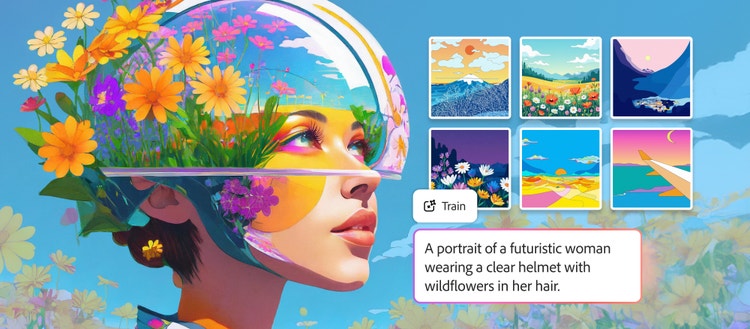
What happened: Adobe expanded Firefly with public beta custom models and broader video and image editing controls, giving teams a way to train reusable house-style systems on owned visual assets.
Why it matters for ads and film: For branded filmmaking and campaign systems, consistency is now the differentiator. A custom model trained on approved image libraries is a cleaner route to repeatable concept frames, character looks, and variant assets than open-ended prompting alone.
Source: Adobe Firefly custom models and multimodal editing →
5) ElevenLabs kept collapsing voice, music and video into one stack (Mar 14, 2026)
What happened: ElevenLabs launched Flows in ElevenCreative, a node-based canvas that chains image generation, video, text-to-speech, lip-sync, sound effects, and music in one place.
Why it matters for ads and film: This is the clearest audio-side signal in late March: sound generation is becoming a native step inside the same pipeline as visuals. For ad teams, that means faster hook tests, localized voice variants, and tighter control over timing without stitching together separate tools.
Source: ElevenLabs Flows in ElevenCreative →
Bottom line for creative teams
- Video: image-to-video generation is moving into ad buying and optimization tools, not just creator software.
- Image: branded custom models are becoming the practical route to visual consistency across fast campaign cycles.
- Sound: voice, music, lip-sync, and SFX are increasingly bundled into the same production canvas as visual generation.
We can map model and workflow changes to your campaign roadmap, then turn them into testable creative systems your team can actually ship.
Sources
- Google Ads: Demand Gen Drop (Mar 26, 2026)
- Google Marketing Platform: NewFront 2026 Gemini advantage (Mar 23, 2026)
- Google Marketing Platform: Commerce Media Suite update (Mar 24, 2026)
- Adobe: Firefly custom models and multimodal editing (Mar 19, 2026)
- ElevenLabs: Introducing Flows in ElevenCreative (Mar 14, 2026)